Student Life in Germany: A Guide for International Students at Public Universities
Germany’s public universities offer world‑class education without tuition fees for most international students, but the experience goes far beyond the classroom. Understanding the day‑to‑day realities helps you settle in quickly, make the most of your time, and build a strong foundation for a future career in Europe.
Campus Culture and Academic Environment
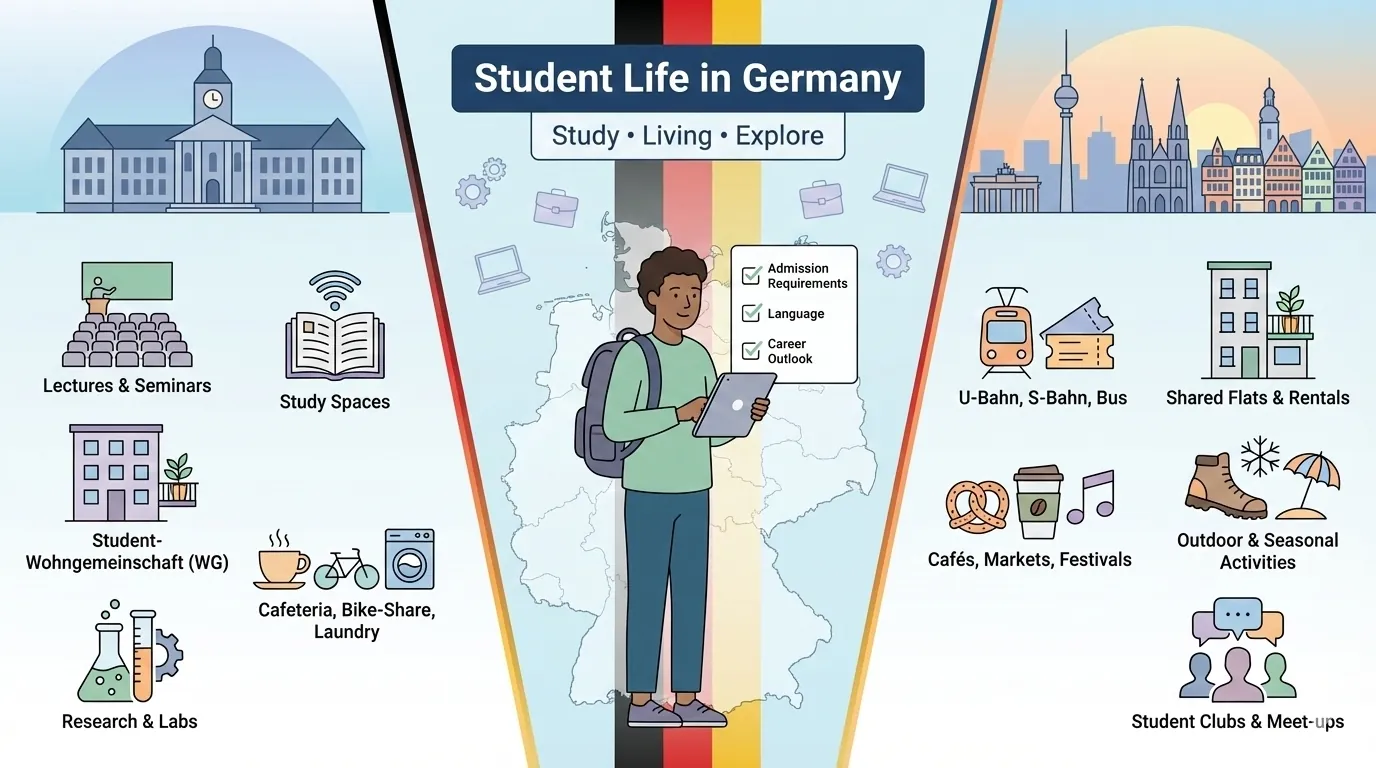
Public universities in Germany are known for their research‑intensive atmosphere, flexible study structures, and a strong emphasis on independent learning. Lectures are often delivered in large auditoriums, while seminars and tutorials provide smaller, interactive settings where you can engage directly with professors and peers.
Finding Accommodation
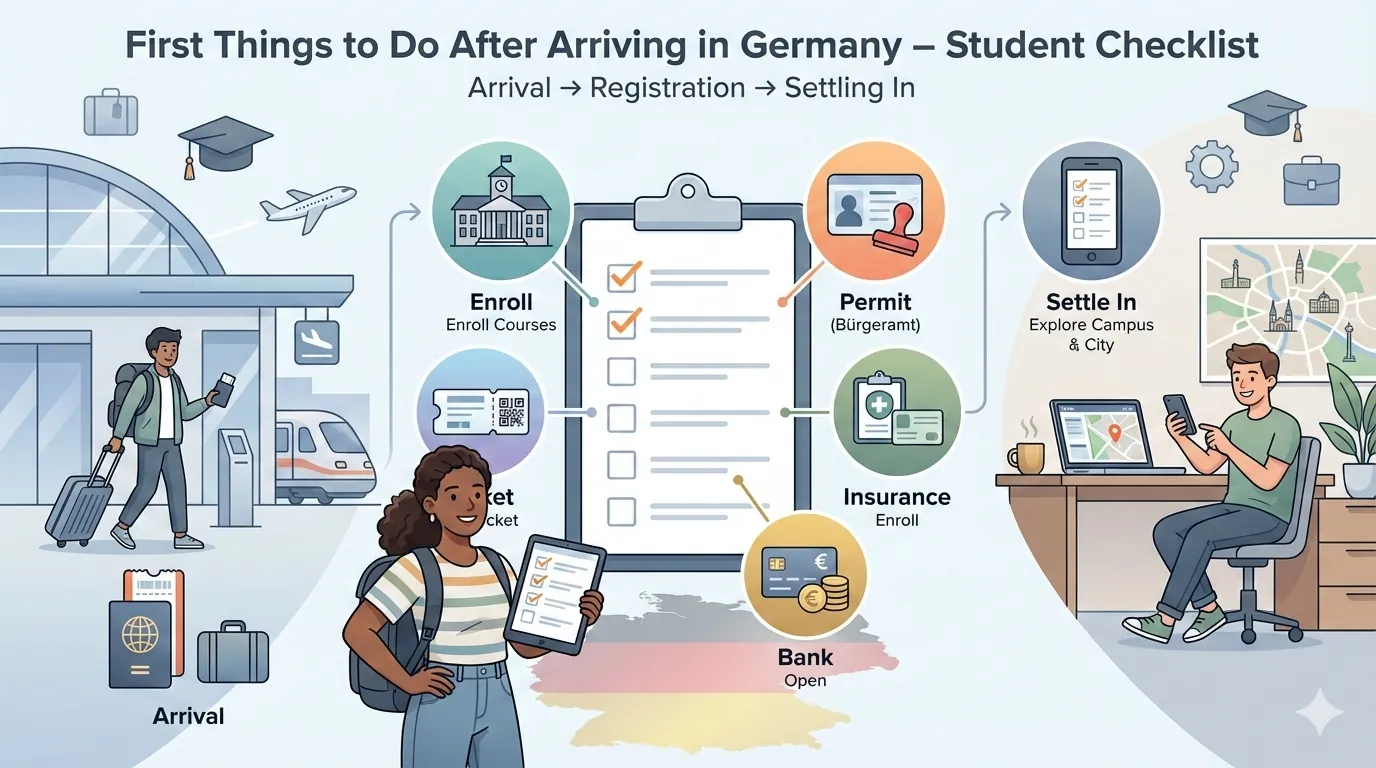
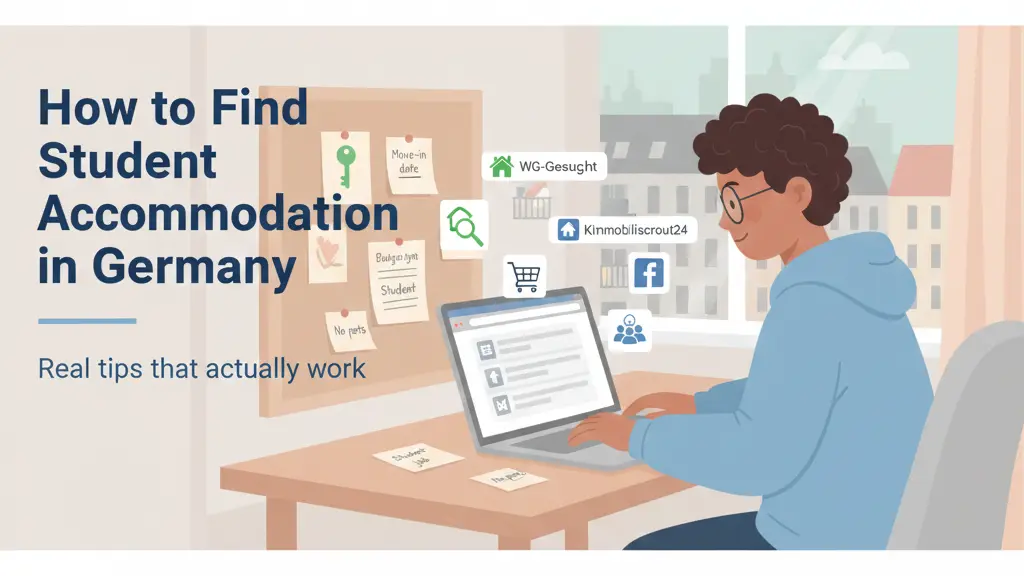
Securing housing is the first practical step after admission. Most students choose between university dormitories, shared flats (Wohngemeinschaften), and private apartments. Here’s a quick overview:
- University Dormitories: Affordable, centrally located, and often allocated on a first‑come, first‑served basis.
- Shared Flats (WGs): Popular among international students for social interaction and cost‑sharing.
- Private Apartments: Offer more privacy but typically come at a higher price.
Start your search early on platforms such as Studentenwerk portals, local housing groups, and dedicated student housing websites.
Finances and Part‑Time Work
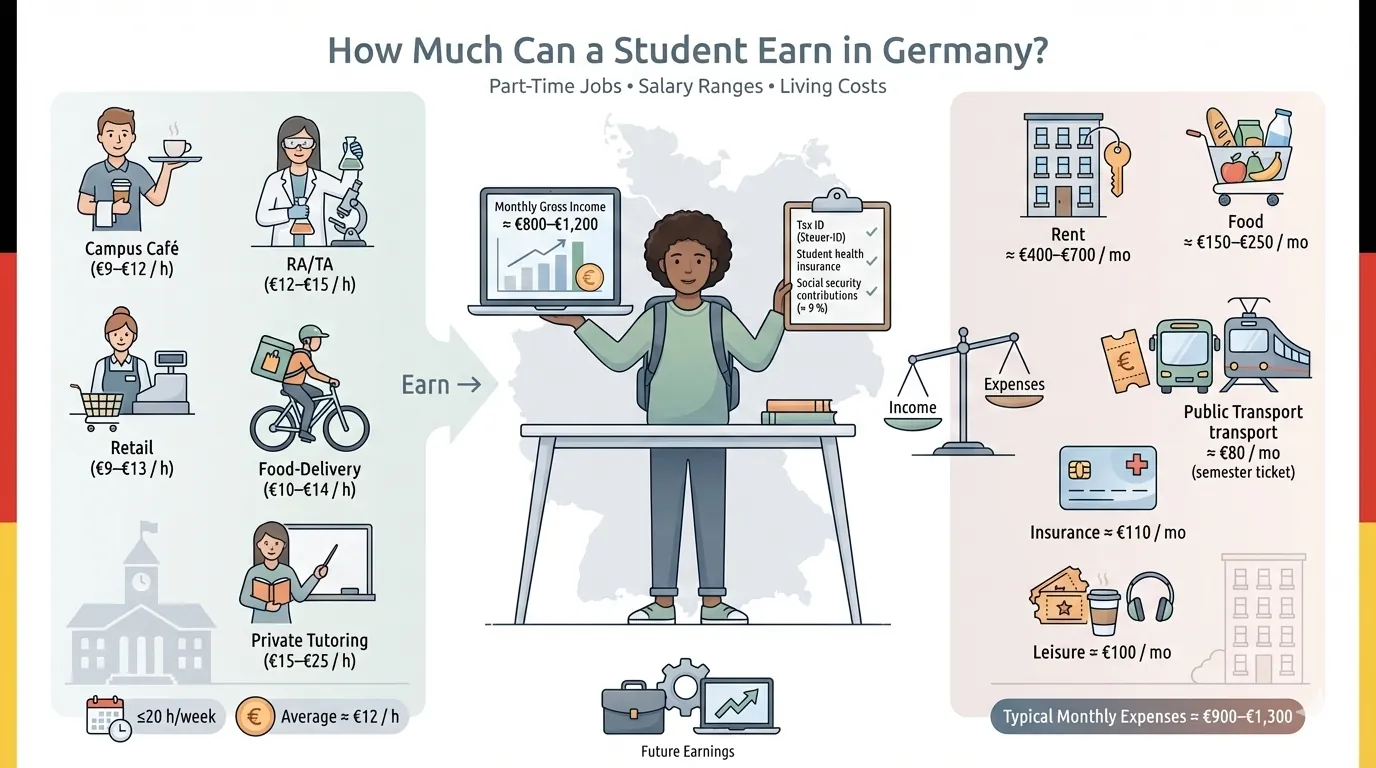
While tuition is usually free, you’ll need to cover living expenses, health insurance, and study materials. Many students supplement their budget with part‑time jobs. International students from non‑EU countries can work up to 120 full days or 240 half days per year.
- On‑campus positions: research assistants, library staff, or language tutors.
- Off‑campus roles: hospitality, retail, and internships related to your field of study.
- Freelance opportunities: translation, graphic design, or IT support.
Social Life and Extracurricular Activities
Student life in Germany is vibrant. Universities host a range of clubs, sports teams, cultural societies, and student unions (AStA). These groups organize events, language tandems, and trips that help you build a network and improve your German language skills—even if most courses are taught in English.
Career Scope and Job Opportunities
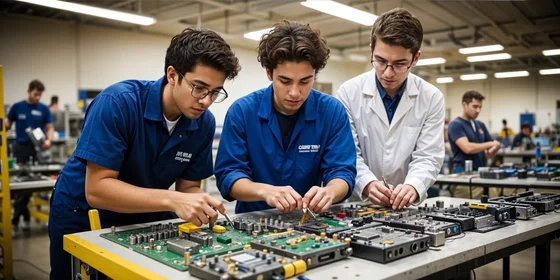
Germany’s strong economy and focus on innovation create abundant career opportunities for graduates. Public universities maintain close ties with industry partners, offering internships, career fairs, and research projects. Fields such as engineering, IT, renewable energy, and healthcare are especially in demand.
After graduation, non‑EU students can extend their residence permit for up to 18 months to seek employment related to their degree. The “Blue Card” and “EU Skilled Worker” visas provide pathways to long‑term residency for qualified professionals.
Final Thoughts
Studying at a public university in Germany offers a unique blend of academic excellence, cultural immersion, and professional growth. By planning your accommodation, budgeting wisely, engaging in campus life, and leveraging career services, you can turn your student experience into a launchpad for a successful future in Europe.
Need Personalized Guidance?
DeutschlandGenics helps students shortlist the right programs, prepare strong SOPs, and plan applications strategically for German public universities.