Why Germany Wants to Restrict ‘Lifestyle Part-Time Work’ — And What It Means for Workers
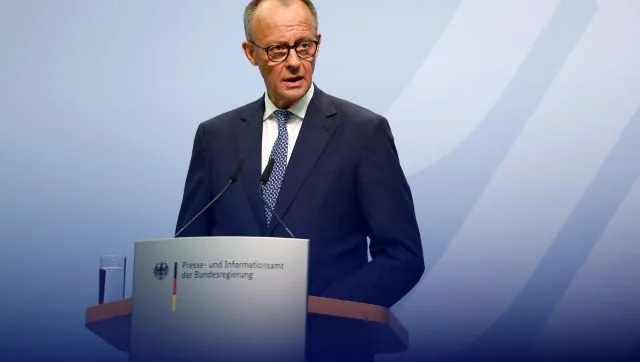
Germany is at the centre of a growing debate over the future of part‑time work. Members of the ruling Christian Democratic Union (CDU) have proposed restricting the legal right to reduce working hours – a move they argue is necessary to address labour shortages and revive economic growth.
What Is ‘Lifestyle Part-Time Work’?
Under current law, employees can switch to part‑time work if they have been employed for at least six months and work for a company with more than 15 employees. The CDU’s business wing labels arrangements that are not linked to caregiving, education, or health reasons as “lifestyle part‑time work,” arguing that those who are able to work more hours should do so.
Why the CDU Wants to Restrict Part‑Time Work
Supporters claim that Germany’s economy is under strain because of a shortage of skilled workers. Over 40 % of the workforce now works part‑time – a record high. The proposal suggests that limiting part‑time options could help fill labour gaps, especially in sectors such as engineering, manufacturing, and technology that rely heavily on public‑university graduates.
Opposition Within Germany
Labour unions, gender equality advocates, and even some CDU members warn that the plan would hurt women, caregivers, older workers, and students who rely on flexible schedules to combine studies with employment. Critics say that without improving childcare, elder‑care facilities, and workplace flexibility, forcing full‑time work would increase inequality rather than productivity.
Who Relies Most on Part‑Time Work?
- Women
- Parents and caregivers
- Older workers
- Service‑sector employees
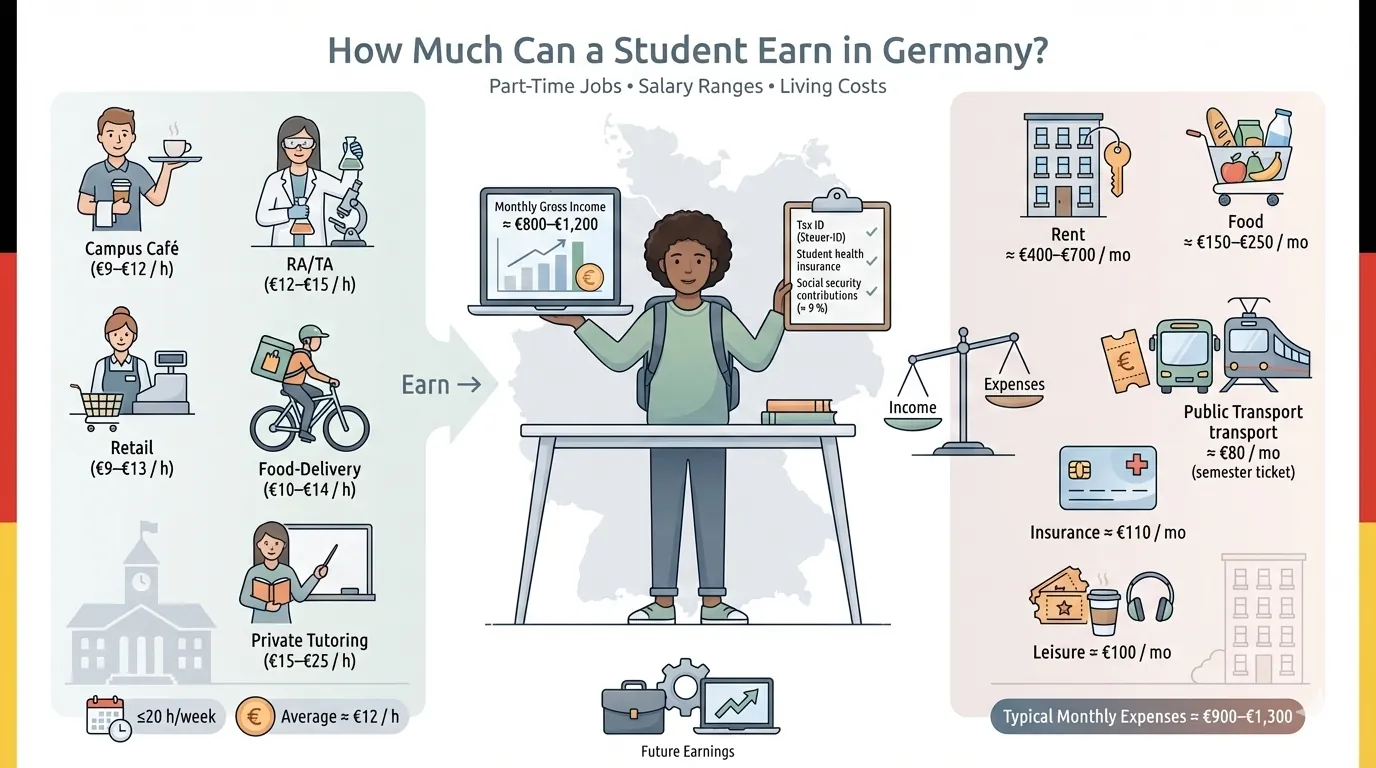
- Students at public universities who fund their studies through part‑time jobs
Impact on Public University Students and Career Scope
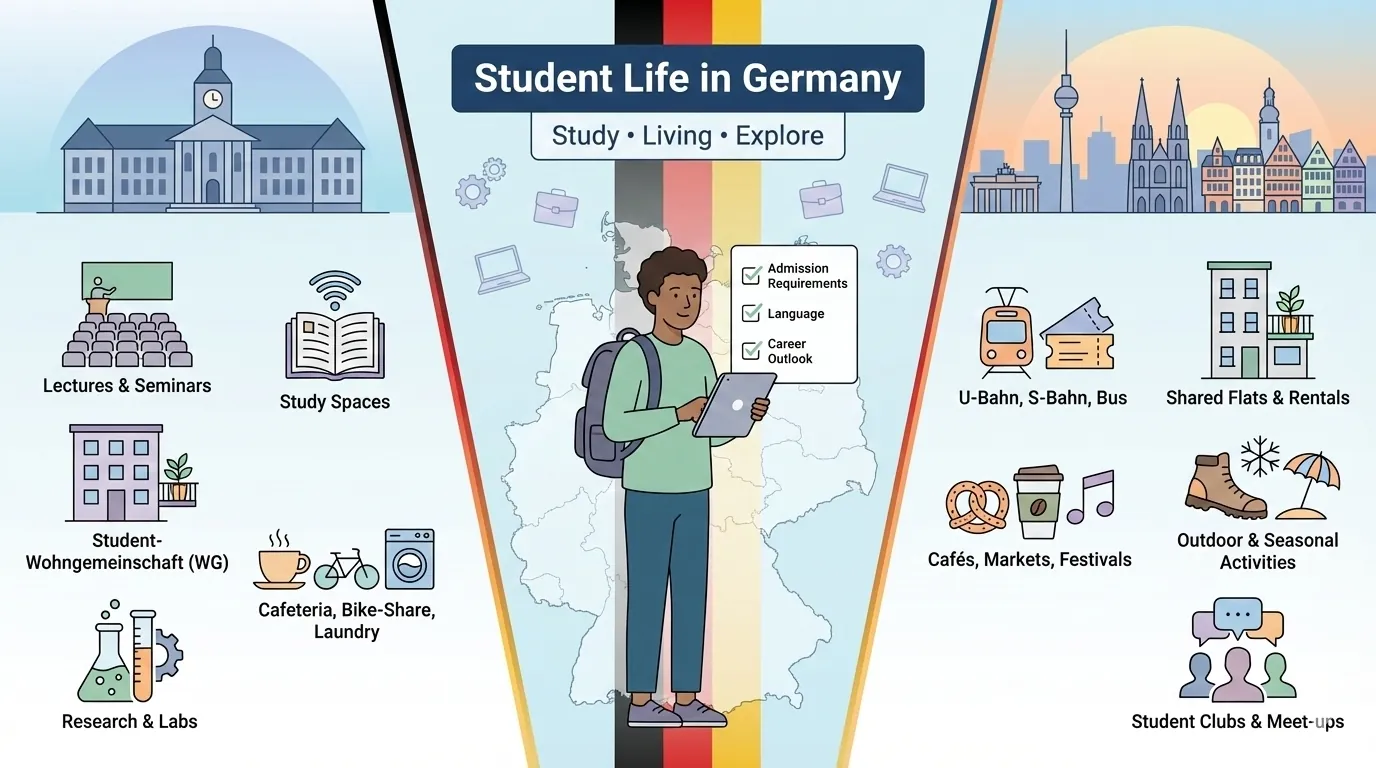
International and domestic students at Germany’s public universities often take part‑time jobs in research labs, libraries, or local businesses to support living expenses and gain German work experience. Restricting part‑time work could limit these opportunities, affecting:
- Practical skill development alongside academic studies
- Networking with potential German employers
- Eligibility for certain scholarships that require documented work experience
On the other hand, a tighter labour market may increase demand for graduates in fields such as engineering, computer science, and renewable energy – sectors where public‑university degrees are highly valued. Students who can transition quickly to full‑time roles may find stronger job offers, but the overall flexibility that currently attracts many international students could diminish.
A Wider European Context
Part‑time work is common in high‑income European countries, yet the balance between flexibility and productivity varies. Germany’s discussion mirrors similar debates in the UK, France, and the Netherlands, where policymakers grapple with the trade‑off between labour market efficiency and work‑life balance.
What This Debate Really Means
At its core, the debate raises fundamental questions about:
- Whether governments should prioritize economic output over individual choice
- How labour shortages can be solved without compromising flexibility
- The role of public universities in preparing a workforce that can adapt to changing regulations
The outcome will shape Germany’s labour market, influence the experience of international students, and set a precedent for labour policy across Europe.
Final Thoughts
Restricting “lifestyle part‑time work” could boost short‑term productivity, but it also risks reducing flexibility for vulnerable groups and for students who depend on part‑time income while studying at public universities. International students should stay informed, consider alternative funding options, and be prepared to adapt their career plans accordingly.
Need Personalized Guidance?
DeutschlandGenics helps students understand German labour policies, choose the right public university programs, and plan career pathways that align with evolving work regulations.